Gochujang Substitute: 7 Options That Actually Work (With Exact Ratios)
Out of gochujang? These 7 substitutes replicate the fermented-sweet-spicy depth with exact swap ratios for tteokbokki, marinades, and more.
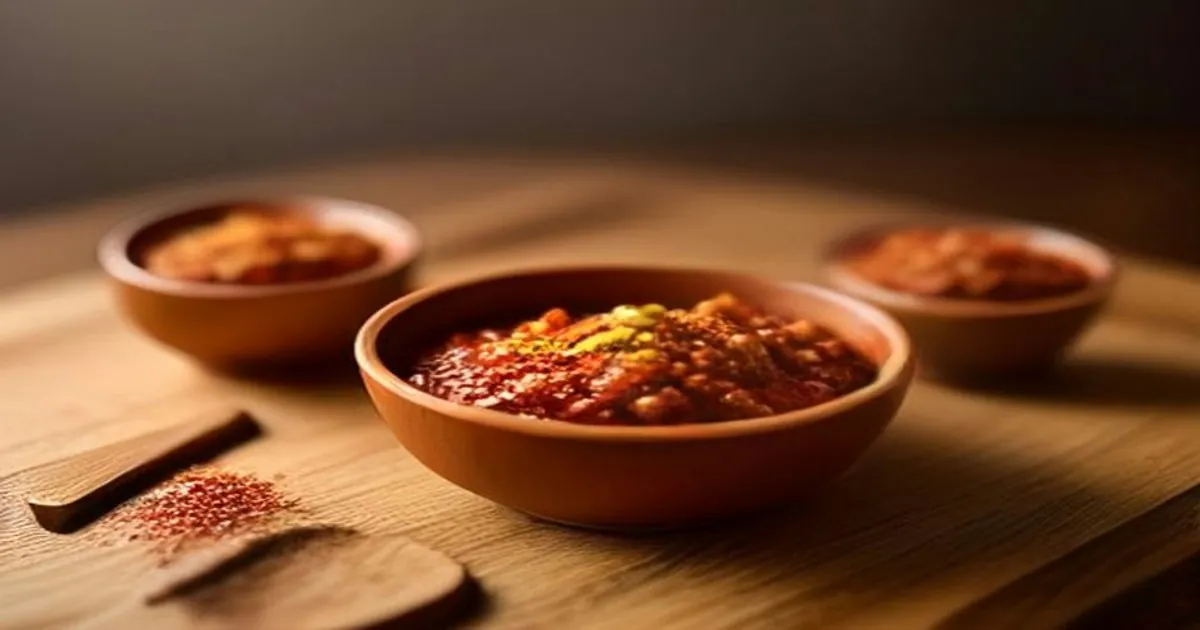
The best gochujang substitute — when you need it right now — is a two-minute blend of white miso, gochugaru, honey, and soy sauce that replicates roughly 80% of the fermented-sweet-spicy depth of the real thing. None of the seven options below are perfect drop-ins, but each one is built around the specific flavor architecture that makes gochujang so difficult to replace with a single off-the-shelf ingredient.
Why Gochujang Is So Hard to Swap Out
Most substitution advice on the internet tells you to just reach for Sriracha. That advice fails because it treats gochujang as a simple hot sauce — and it fundamentally isn't one.
Gochujang is a fermented paste that delivers four simultaneous flavor layers, arriving at the back of your mouth rather than the front:
- Fermented soybean umami — a deep, earthy complexity from meju-garu (dried fermented soybean powder), not unlike what miso brings to Japanese cooking
- Red chili heat — from gochugaru, which reads as fruity and moderately warm, not sharp or vinegary
- Sweetness — genuine, noticeable sweetness from glutinous rice starch that converts to sugar during fermentation; this is not "mildness," it is active sweetness
- Thick paste body — gochujang is spreadable, not pourable; it clings to ingredients and caramelizes when it hits a hot pan in a way that thinner sauces simply don't
Traditionally, gochujang is roughly 25% gochugaru, 22% glutinous rice, 13% salt, about 5% fermented soybean powder, plus malt and water — then aged in earthenware onggi crocks. The town of Sunchang in North Jeolla Province has produced some of Korea's most prized gochujang for centuries, benefiting from a uniquely cool, foggy microclimate ideal for slow fermentation. When King Yeongjo of Joseon reportedly called it bap doduk — "rice thief" — because it compelled him to eat too much rice, he wasn't talking about Sriracha. None of that complexity comes from a squeeze bottle.
The good news: you can approximate it. You just need to be intentional about which of those four layers you're rebuilding.
For a complete breakdown of what gochujang is and how to cook with it across a wide range of Korean dishes, see our complete gochujang guide.
The 7 Best Gochujang Substitutes (With Exact Ratios)
Baseline for all ratios below: these quantities replace 1 tablespoon (15 ml / ~18 g) of gochujang. Scale proportionally.
1. White Miso + Gochugaru + Honey + Soy Sauce (Best Overall)
Ratio: 1½ tsp (7 g) white miso + 1 tsp (2 g) gochugaru + ½ tsp (2.5 ml) honey + ¼ tsp (1.25 ml) soy sauce
This is the closest analog to actual gochujang in terms of flavor profile. White miso (shiro miso) provides the fermented soybean umami and paste body; gochugaru brings the fruity Korean heat and brick-red color; honey mimics the rice-fermentation sweetness; soy sauce deepens the savory baseline. Mash all four together with the back of a spoon on a cutting board — it should take under two minutes to work into a smooth, cohesive paste.
Best for: Tteokbokki sauce, bibimbap sauce, bulgogi marinade, stir-fry glazes
What it misses: The malty, slightly winey depth of long-fermented gochujang. The color is a shade lighter than commercial gochujang — if visual authenticity matters, add another pinch of gochugaru.
Where to find white miso: Whole Foods carries it refrigerated near the tofu. H Mart stocks multiple grades. It's also widely available online.
2. Sambal Oelek + White Miso + Honey
Ratio: 2 tsp (10 ml) sambal oelek + 1 tsp (5 g) white miso + ½ tsp (2.5 ml) honey
Sambal oelek — an Indonesian chili paste — is made from pure ground red chili with minimal additives, which puts it closer to gochugaru in flavor character than Sriracha. No vinegar sharpness, no garlic. The miso fills the soybean umami gap; the honey brings the sweetness. The consistency is already paste-like, which is a practical advantage over liquid hot sauces.
Best for: Soups, stews, dipping sauces, cold noodle dressings
What it misses: The earthy grain complexity from fermented rice. Sambal also skews spicier than commercial gochujang, so reduce slightly in heat-sensitive dishes.
Label check: Some brands add garlic or vinegar. Avoid those here — check the ingredient list for a pure chili version.
3. Sriracha + White Miso + Honey (Most Pantry-Accessible)
Ratio: 1½ tsp (7.5 ml) Sriracha + 1 tsp (5 g) white miso + ½ tsp (2.5 ml) honey
This is the substitute most people can make right this second. The miso and honey are doing real heavy lifting here — they're counterbalancing Sriracha's vinegar tang, which is the main flavor liability. Without them, Sriracha substituted 1:1 makes tteokbokki taste like a vinegary stir-fry.
Best for: Quick weeknight recipes, dipping sauces, dishes with competing bold flavors (garlic, sesame oil, ginger) that partially mask the vinegar note
What it misses: Depth and authentic red color. The paste will be more orange than brick-red, and the fermented soybean layer is noticeably thinner.
Upgrade tip: If you have gochugaru in the house, replace half the Sriracha with gochugaru — you'll close the gap considerably.
4. Doenjang + Gochugaru + Sugar (Most Authentically Korean)
Ratio: 1½ tsp (7 g) doenjang + 1 tsp (2 g) gochugaru + ¼ tsp (1 g) sugar
If you have doenjang (Korean fermented soybean paste) and gochugaru, this is the most authentic-tasting option because you are reconstructing the two main fermented pillars of gochujang from scratch. Doenjang is coarser, more pungent, and earthier than Japanese miso — it has a robust fermented soybean character that commercial gochujang is built on.
Best for: Marinades, braises (galbi-jjim, dakbokkeumtang), thick stews where deep fermented depth is a feature
What it misses: The glossy sweetness and lighter texture of gochujang. The finished paste is more matte and savory-dominant. Smooth it out with a small drizzle of sesame oil if needed.
Important: Doenjang is more pungent than gochujang. Start at about 75–80% of the amount the recipe calls for and taste upward.
5. Chipotle in Adobo + White Miso + Brown Sugar
Ratio: 1½ tsp (7.5 ml) chipotle paste (or 1 chipotle pepper blended smooth) + 1 tsp (5 g) white miso + ½ tsp (2 g) brown sugar
Chipotle delivers smoke, earthiness, and moderate heat — it is not a Korean flavor, but the direction is compatible with Korean BBQ-style preparations. The miso bridges the umami gap; brown sugar approximates the molasses-adjacent sweetness of fermented rice. The result is smokier and more Western-tasting than anything else on this list.
Best for: Korean BBQ-inspired marinades, fusion grain bowls, anywhere a hint of smoke is welcome
What it misses: The clean fruity chili flavor of gochugaru. Chipotle is a smoked dried jalapeño — a completely different chili variety. Avoid this substitute in dishes where gochujang's pure-chili character is central (tteokbokki, bibimbap sauce).
6. Tomato Paste + Gochugaru + Miso + Honey (Lower-Soy Option)
Ratio: 1 tsp (5 g) tomato paste + 1 tsp (2 g) gochugaru + ½ tsp (2 g) white miso + ½ tsp (2.5 ml) honey
Tomato paste sounds like a wildcard here, but it contributes body, gentle acidity, and natural glutamate (umami) that partially substitutes for the fermented soybean layer — without heavy reliance on miso. Useful if you're cooking for someone reducing soy.
Best for: Mixed-into-sauce applications, tteokbokki for guests with soy concerns
What it misses: Fermented complexity. Tomato paste is cooked and concentrated, not fermented — the result tastes brighter and more one-dimensional than other options. Use this as a backup, not a first choice.
7. Store-Bought Korean Chili Sauces (Non-Gochujang Brands)
Several Korean pantry brands sell products labeled "Korean chili paste," "bibimbap sauce," or "spicy Korean sauce" — these are gochujang-adjacent products typically made with gochugaru, some sweetener, and sometimes soybean paste. In terms of flavor proximity, these are actually the closest to real gochujang.
Ratio: 1:1
Where to find: H Mart, 99 Ranch, Hana Mart, or online. Look for Haechandle or CJ Haechan brand sauces; bibimbap sauce packets are widely stocked at Korean grocery chains.
Watch for: Some are noticeably sweeter or contain added MSG or thickeners. Taste before adding and adjust seasoning accordingly.
Ingredient Substitutions
| Ingredient | Best Substitute | Ratio / Notes |
|---|---|---|
| Gochujang (1 tbsp / 18 g) | White miso + gochugaru + honey + soy sauce | 1½ tsp miso + 1 tsp gochugaru + ½ tsp honey + ¼ tsp soy — see Substitute #1 above |
| Gochugaru (Korean red chili flakes) | ½ cayenne + ½ smoked paprika | 1:1 total; cayenne adds heat, paprika adds color and mild sweetness — pure cayenne alone is too sharp and lacks the fruity note |
| White miso (shiro miso) | Red miso (aka miso) | Use 30% less — red miso is more pungent, saltier, and more fermented-forward |
| White miso (shiro miso) | Doenjang (Korean soybean paste) | Use 40% less; doenjang is significantly stronger than white miso |
| Honey | Brown sugar, maple syrup, or rice syrup | 1:1 by volume; rice syrup (ssalyeot) is the closest match to fermented rice sweetness |
| Soy sauce (small amounts) | Fish sauce | Use ¾ the amount; fish sauce adds deep umami but is less salty per milliliter — taste before adding more |
| Sambal oelek | Any pure chili paste without vinegar or garlic | 1:1; avoid chili-garlic sauce here — the garlic competes with the other substitute components |
| Doenjang | White miso + a tiny drop of fish sauce | 1:1 miso ratio; the fish sauce approximates some of doenjang's deeper fermented note |
Storage, Reheating & Make-Ahead
Commercial gochujang: Unopened, it keeps at room temperature for up to 24 months (check the best-by date). Once opened, press plastic wrap directly onto the surface, seal airtight, and refrigerate — it keeps for up to 12 months in the fridge. The paste darkens gradually over time; that's normal oxidation. Discard if you see surface mold or detect any off-smell beyond the expected fermented aroma.
DIY substitute blends (Options 1–6): These don't have the shelf stability of fermented gochujang and should be treated more like fresh sauces.
- Refrigerator: Up to 1 week in a sealed jar. The miso keeps things relatively stable, but the gochugaru loses color and the honey can begin to ferment in contact with miso's active cultures after 7–10 days.
- Freezer: Spoon the blend into an ice cube tray (each cube ≈ 1 tablespoon / 15 ml), freeze solid, transfer to a zip-lock bag. Freeze for up to 3 months. Thaw at room temperature for 10 minutes before use — avoid microwaving the blend directly, as miso loses some fermented complexity with direct heat.
Make-ahead for specific dishes: Fully mixed sauces (like a tteokbokki sauce or Korean BBQ marinade that already contains the substitute) store better than the raw paste because the sugar and other ingredients stabilize the blend. Mixed tteokbokki sauce keeps up to 5 days refrigerated. Meat marinated in a gochujang-substitute marinade should cook within 24 hours — beyond that, acidic components (if using pineapple juice or vinegar) begin to break down meat texture.
Reheating dishes: When reheating anything made with a gochujang substitute, use low-to-medium heat and add a splash of water (1–2 tbsp / 15–30 ml) to loosen the sauce before it scorches. The miso component in most substitutes has a lower burn threshold than commercial gochujang. You'll smell the problem before you see it — a sharp, slightly bitter char smell means the paste has hit the pan too hot. Stir constantly during the first 60 seconds over heat.
Common Mistakes to Avoid
1. Using Sriracha as a straight 1:1 swap Sriracha is an acidic, pourable hot sauce; gochujang is a thick, sweet, fermented paste with no vinegar. Substituting Sriracha 1:1 makes tteokbokki taste aggressively vinegary and turns bibimbap sauce a flat orange color. The fix is always to combine Sriracha with white miso and honey — the vinegar note needs to be counterbalanced before it dominates the dish.
2. Omitting the sweetener Every substitute option above includes a sweetener for a reason: commercial gochujang has significant natural sweetness from fermented glutinous rice. Skipping honey or sugar produces a flat, one-dimensional heat that lacks the characteristic addictive quality Korean food is known for. If your finished sauce tastes dry, sharp, or only spicy, add sweetener in ½ tsp (2.5 ml) increments until the flavor rounds out into something balanced.
3. Adding the substitute paste too early in a stir-fry over high heat The miso in most blends scorches significantly faster than commercial gochujang, which contains malt and other buffering agents built up over fermentation. If you're making a stir-fry, bloom the substitute with 1 tablespoon (15 ml) of water before adding to the pan, or lower the heat by a notch before it goes in. The diagnostic: paste sticking aggressively and smelling sharp and bitter within 30 seconds is your cue that the heat is too high.
4. Using red miso instead of white miso without adjusting the amount Red miso (aka miso) is saltier, more pungent, and more intensely fermented than white miso — roughly 30–40% stronger in perceived intensity. Swapping them 1:1 makes the substitute overwhelmingly salty and muddy-tasting. If red miso is what you have, use 30% less and taste carefully before adding anything further.
5. Not adjusting consistency when the substitute is thinner than the recipe requires Sriracha-based and tomato paste-based substitutes are noticeably thinner than real gochujang. In dishes where gochujang's job is to coat and cling — like tteokbokki rice cakes or a glaze on grilled chicken — a runny substitute won't caramelize or adhere properly. Fix it by simmering the finished sauce for 2–3 minutes to reduce, or dissolving ⅛ tsp (0.5 g) cornstarch in 1 tsp (5 ml) cold water and stirring it in before heating.
6. Using the doenjang-based substitute in the full called-for amount Doenjang is considerably more intense and salty than gochujang. Using Substitute #4 at 1:1 in a recipe that calls for two tablespoons of gochujang will make the dish overwhelmingly fermented and salty. Start at 75% of the quantity called for, taste after incorporating, and build up from there. This is the one substitute where less is genuinely more.
Frequently Asked Questions
Can I use regular red pepper paste instead of gochujang? It depends on which one. If the label says "gochujang," it is gochujang — use it. Generic red pepper pastes from other traditions (Turkish biber salçası, Italian calabrian chili paste, harissa) lack the fermented soybean and rice sweetness layers entirely. Treat them like Substitute #6 on this list: combine with white miso and honey to fill the fermented and sweet gaps before using.
What's the best gochujang substitute specifically for tteokbokki? Substitute #1 (white miso + gochugaru + honey + soy sauce) or Substitute #2 (sambal oelek + miso + honey) are the best choices for tteokbokki because the sauce needs to thicken around chewy rice cakes and carry a clean, front-and-center chili-sweet flavor. Avoid chipotle-based substitutes in this dish — the smokiness reads as strange against the mild, bouncy texture of garaetteok.
Can I substitute gochujang with dry chili powder? Not on its own — dry chili powder has no umami, no body, and no sweetness. It can work as a component (paired with miso and honey, as in the first option) if you don't have gochugaru. When using dry powder, dissolve it in 1–2 tsp (5–10 ml) of water first to bring it to a paste-like consistency, otherwise the texture will be gritty in the finished dish.
Is gochujang the same as doenjang? No — they're closely related but distinct fermented products. Both rely on fermented soybeans, but doenjang is a pure soybean paste (the Korean equivalent of Japanese miso) with no chili and no added sweetener. Gochujang incorporates gochugaru, glutinous rice, and malt on top of the soybean base, making it spicy, sweet, and red. Doenjang is earthy, savory, and beige-to-brown. They're used very differently in Korean cooking — you can explore doenjang's flavor world in depth in our doenjang guide.
How long does a homemade gochujang substitute last? DIY blends made with miso, gochugaru, and honey will keep for up to 1 week refrigerated in an airtight container, or up to 3 months frozen in portioned ice cube trays. Commercial gochujang — which has gone through actual long fermentation — is significantly more shelf-stable at 12 months refrigerated once opened. This is one of the most practical arguments for always keeping a tub of the real thing in the back of the fridge: it costs about $3–5 at H Mart and lasts almost a year. ```
栄養情報は概算です。食品の取り扱いと調理は常に安全な方法で行ってください。